movie
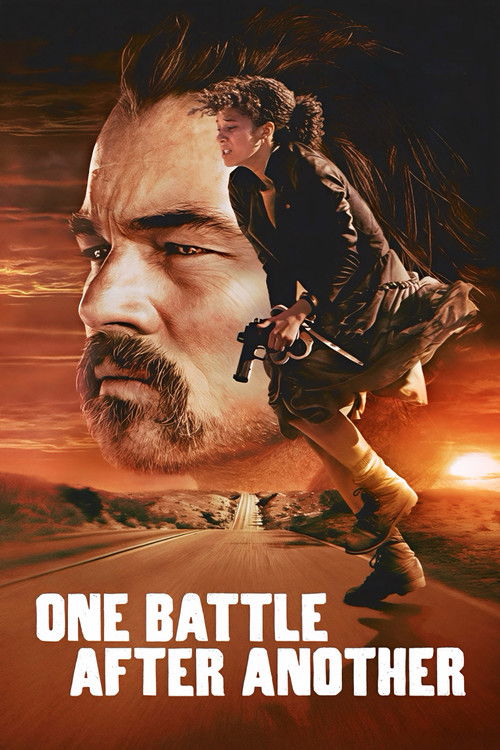
One Battle After Another
“The revolution didn't end. It just went into hiding.”
7.4/ 1020252h 42mEnglish
ThrillerCrimeAction
Directed by Paul Thomas Anderson
Movie Info
- Director
- Release Date
- Sep 23, 2025
- Runtime
- 2h 42m
- Language
- English
- Status
- Released
- Genre
- Thriller, Crime, Action
Budget
$175M
Revenue
$206M
Synopsis
Bob Ferguson was once a member of "French 75," a radical leftist group. Now he's a ghost haunting the foggy forests of Northern California—stoned, paranoid, and drowning in the weight of being a former revolutionary. The only thing keeping him tethered to life is his daughter Willa, who possesses more resilience and maturity than he ever did. But when his old nemesis Colonel Steven J. Lockjaw resurfaces after 16 years and Willa mysteriously vanishes, Bob is forced to confront everything he's been running from. This is not merely a rescue mission; it's the reckoning of a man who lost his ideals and must now face the sins of his past.
Editor's Review
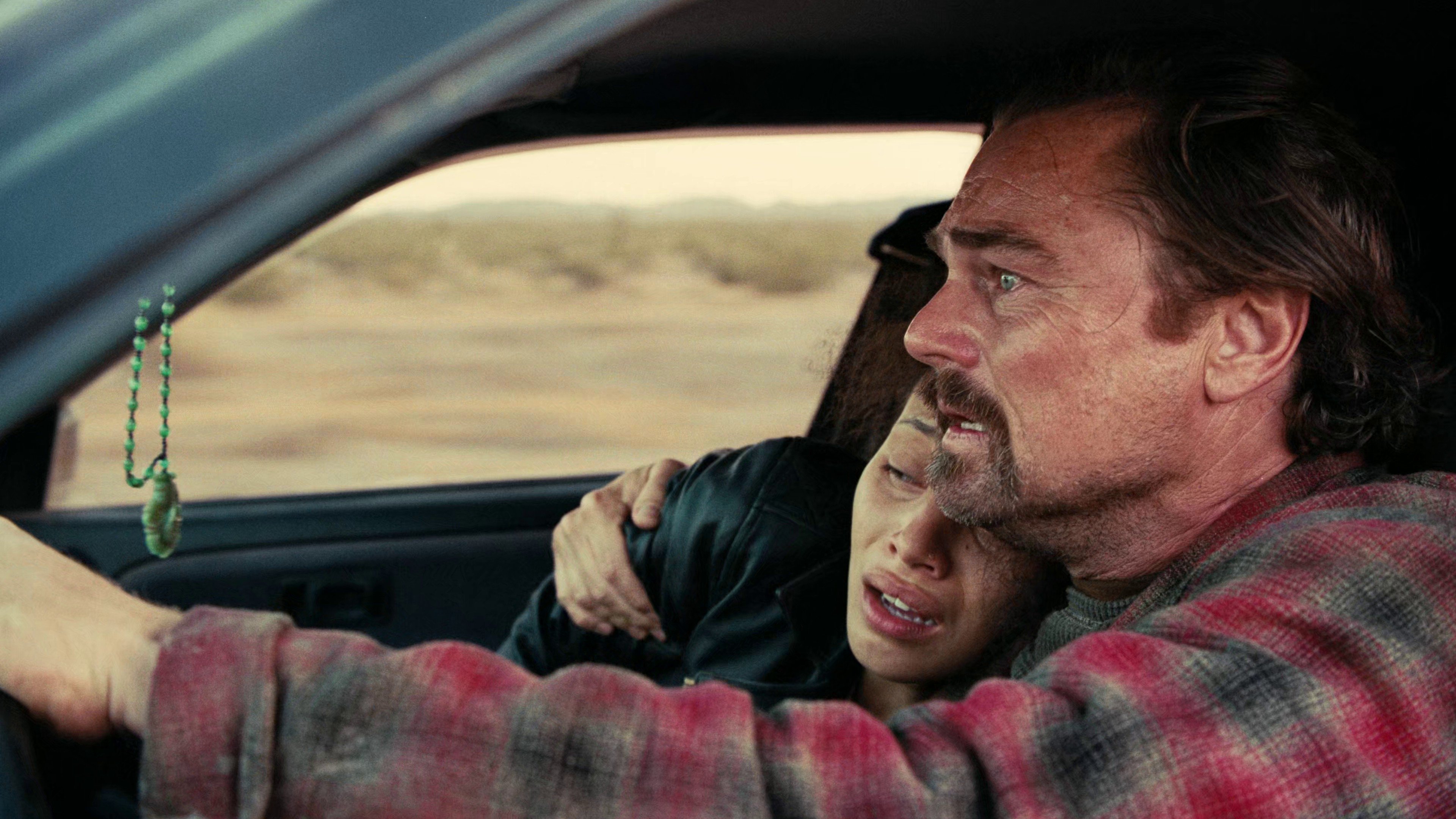
Paul Thomas Anderson's $150 million 'independent' film gave me something I haven't felt in cinema for years: disorientation. For the first thirty minutes, I struggled to understand what I was watching—until I realized Anderson had trapped me inside Bob's head. Paranoid. Fragmented. Under constant threat. Then the rhythm settled, and three hours vanished without a breath. DiCaprio in his bathrobe, beer in hand, the ashes of an old fire dying in his eyes... This is what a revolutionary's 'retirement' actually looks like. But what made this film unforgettable for me was Chase Infiniti. Willa's line to her father—'You're the one who's scared, not me'—still echoes in my head. This isn't just a rescue story; it's a story about a father being rescued by his daughter. And that desert chase, scored by Jonny Greenwood, as cars leap over the rolling hills—my heart leaped with them. This film is a mirror held up to America's darkness. If you dare to look, don't miss it.
Community Discussions
Cast & Crew

Teyana Taylor
Perfidia
Dijon
Talleyrand

Wood Harris
Laredo
Kevin Tighe
Roy More
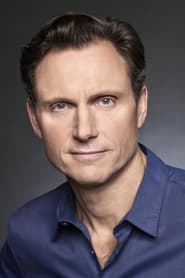
Tony Goldwyn
Virgil Throckmorton
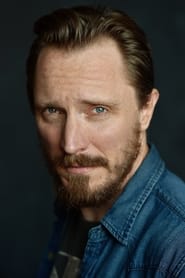
John Hoogenakker
Tim Smith

Chase Infiniti
Willa

April Grace
Sister Rochelle
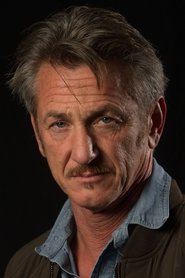
Sean Penn
Col. Steven J. Lockjaw
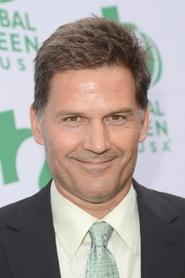
D.W. Moffett
Bill Desmond
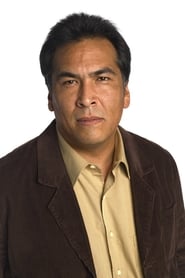
Eric Schweig
Avanti
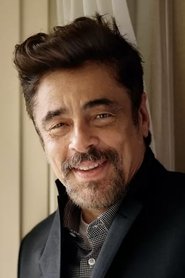
Benicio del Toro
Sensei Sergio St. Carlos

Regina Hall
Deandra

Paul Grimstad
Sommerville
Reviews(0)
Sign in to write a review
Sign In