
movie
Interstellar
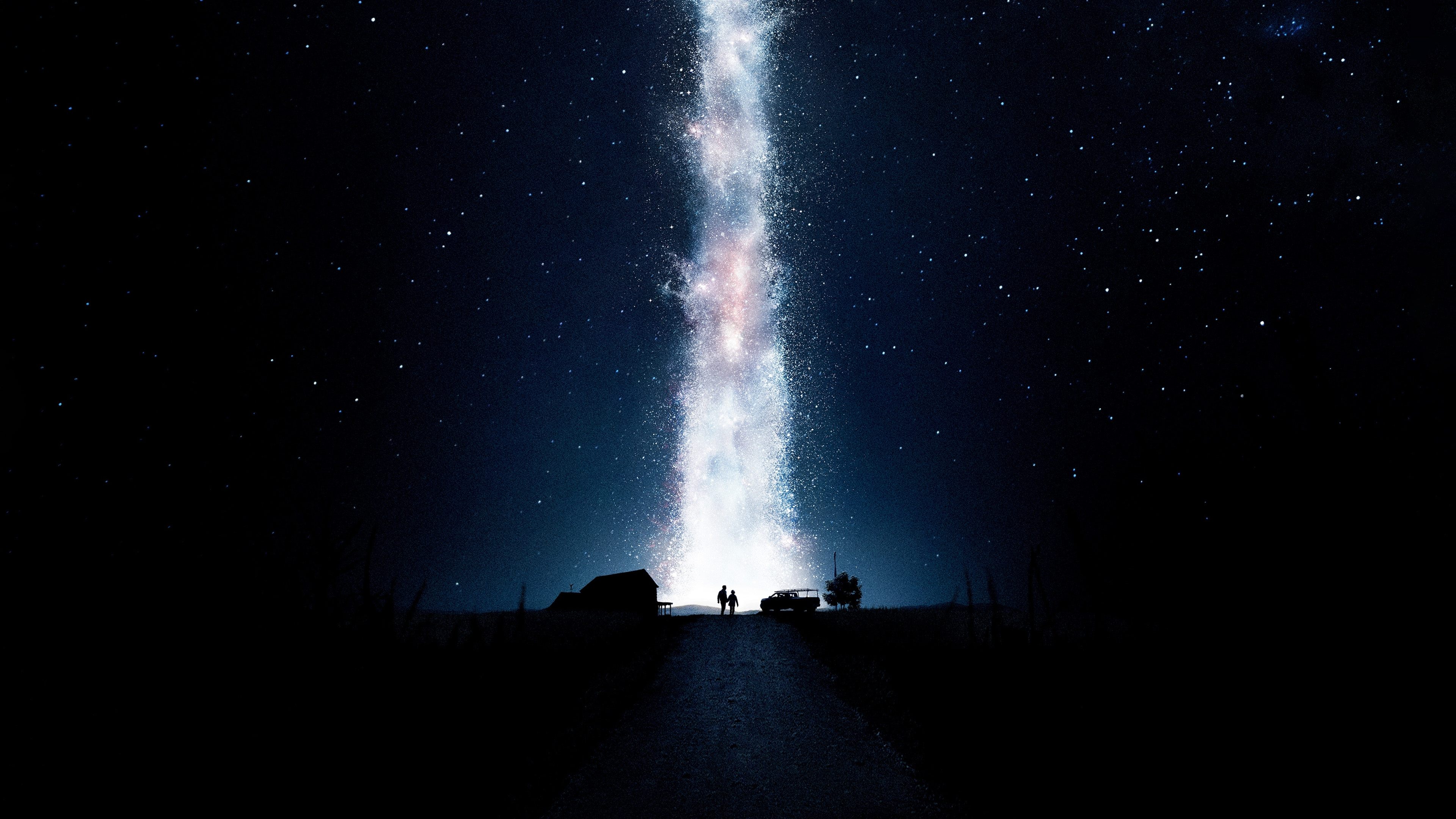
“Mankind was born on Earth. It was never meant to die here.”
8.5/ 1020142h 49mEnglish
AdventureDramaScience Fiction
Directed by Christopher Nolan
Movie Info
- Director
- Release Date
- Nov 5, 2014
- Runtime
- 2h 49m
- Language
- English
- Status
- Released
- Genre
- Adventure, Drama, Science Fiction

Budget
$165M
Revenue
$747M
Synopsis
As Earth suffocates under endless dust bowls and famine, former NASA pilot Cooper lives an ordinary life as a farmer with his children. But strange dust patterns in his daughter Murph's room lead them to a secret NASA facility. There, they discover humanity's last hope: a wormhole near Saturn has opened a passage to potentially habitable planets in another galaxy. Cooper agrees to lead this desperate voyage, leaving his children behind. What he doesn't know is that black holes warp time—an hour's journey can cost years on Earth—and that the mission itself harbors a dark secret. This is more than a space adventure; it's an odyssey of a father's promise tested against the merciless laws of time and the universe.
Editor's Review
What happens if every minute on a planet costs you years on Earth? What if your loved ones age and die while you're gone? Christopher Nolan's Interstellar doesn't just ask these questions—it makes you feel them in your bones. The film is far more than a space adventure: it weaves together the relativity of time, humanity's solitude in the universe, and a father's longing for his children. Every second ticking by as they approach the event horizon of Gargantua tightens your chest. And here's the kicker: Nobel-winning physicist Kip Thorne served as scientific advisor, so the black hole you're seeing on screen is a visualization of actual physics. What about those mysterious messages from beyond dimensions? Or the strange 'dust' patterns in his daughter's bedroom? Interstellar leaves you with more questions than answers, making you feel both tiny and profoundly significant in the face of the cosmos. If you want to experience the flow of time on an entirely different level, you need to take this journey.
Community Discussions
Cast & Crew














Reviews(0)
Sign in to write a review
Sign In