movie
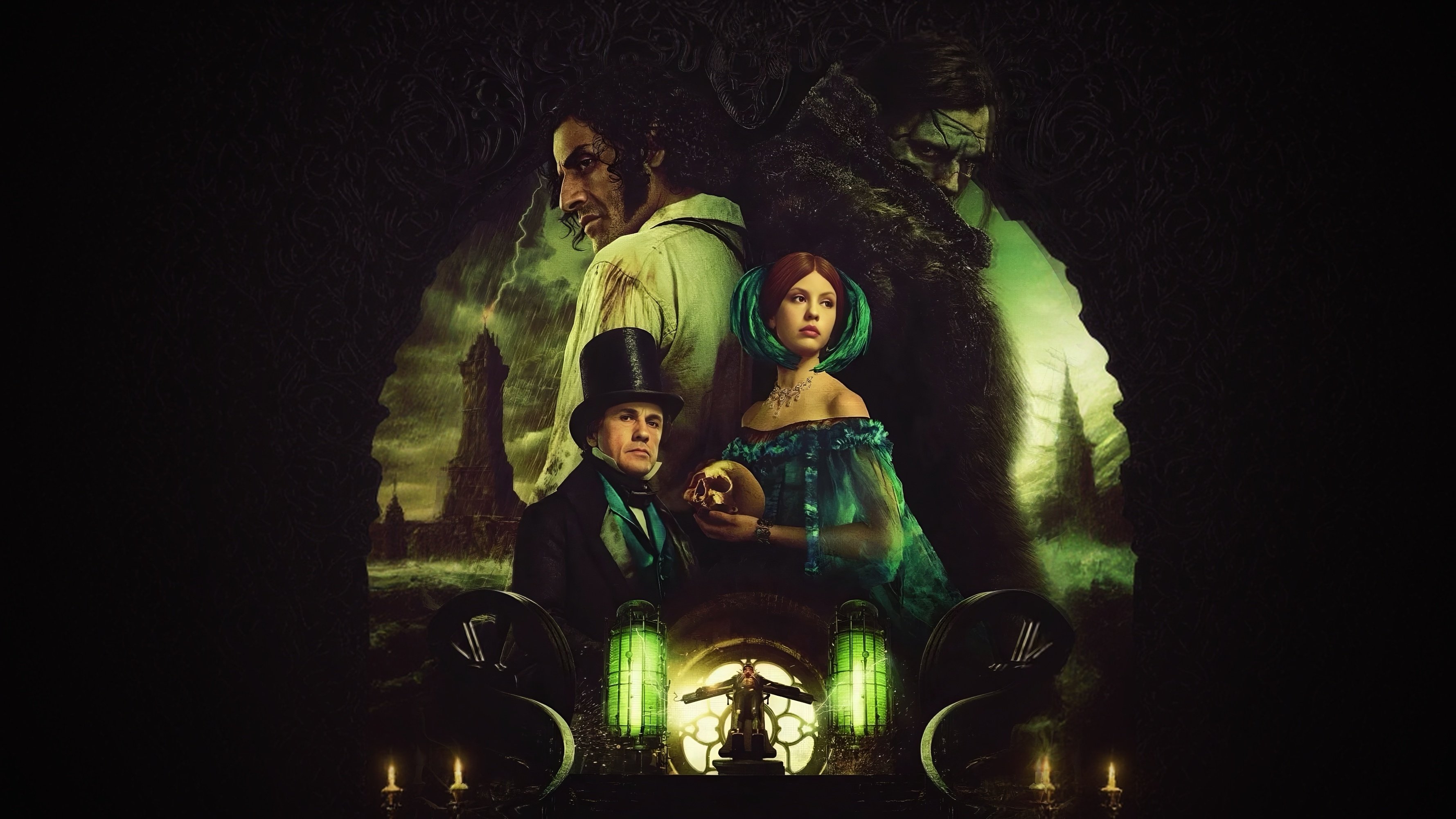
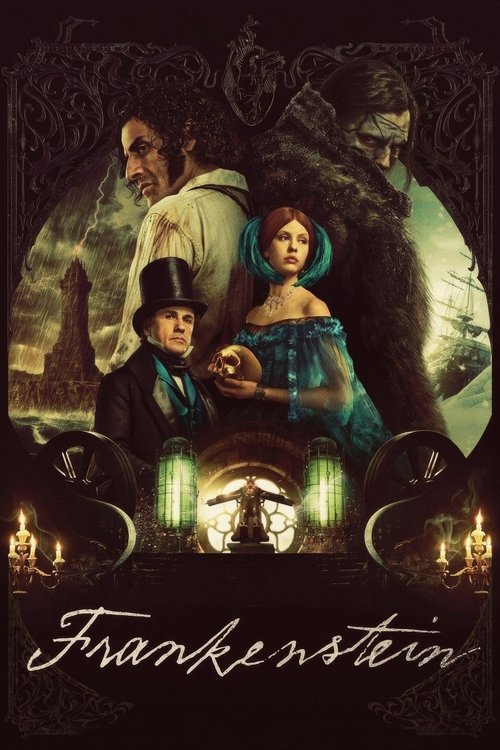
Frankenstein
“Only monsters play God.”
7.7/ 1020252h 30mEnglish
DramaFantasyHorror
Directed by Guillermo del Toro
Movie Info
- Director
- Release Date
- Oct 17, 2025
- Runtime
- 2h 30m
- Language
- English
- Status
- Released
- Genre
- Drama, Fantasy, Horror

Budget
$120M
Revenue
$0M
Synopsis
Set against the backdrop of the Crimean War in the mid-19th century, this sweeping gothic adaptation follows the brilliant yet egotistical Victor Frankenstein as he defies death. In his laboratory hidden within a converted water tower, he forces nature's secrets to yield a superhuman being. Yet what awakens is not the perfect man he dreamed of, but a mournful, solitary creature oscillating between love and violence. Spanning the opulent Frankenstein estates, the cold stone streets of Edinburgh, and the endless Arctic ice, the story unfolds as the tragic, mutual undoing of creator and creation. Del Toro's narrative honors the novel's classic triptych structure: a ship captain's frozen preamble gives way to Victor's confession of ambition, which yields finally to the Creature's own heartbreaking testimony
Editor's Review
Have you ever looked this closely into a monster's eyes? Jacob Elordi's face is sculpted with 42 separate prosthetic appliances, his eyebrows erased, his skin polished like dead marble. But the moment he speaks—his voice so fragile, so utterly lost—you forget the makeup entirely. All that remains is a child abandoned by his father. Unlike other adaptations, del Toro's Frankenstein hides his creature's scars; Victor is no butcher, but a sculptor obsessed with perfection. I didn't recoil when I first saw the Creature—I was in awe. But the true gut punch arrives in the second half. When the Creature's chapter begins, the camera settles on his shoulder, and you walk with him. You are cast out with him. You starve with him. You learn to forgive with him. Oscar Isaac's Victor oscillates between arrogance and remorse so delicately that I couldn't decide whether to hate him or grieve for him. And that final frame... two lonely souls embracing in the ice. I've read Shelley's novel countless times. I've never wept like this.
Community Discussions
Cast & Crew
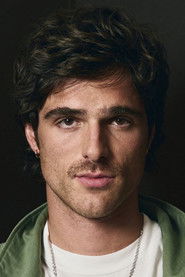
Jacob Elordi
The Creature
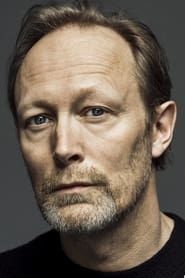
Lars Mikkelsen
Captain Anderson

Sofia Galasso
Anna-Maria

Christoph Waltz
Harlander
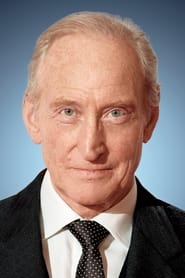
Charles Dance
Leopold Frankenstein

Christian Convery
Young Victor Frankenstein
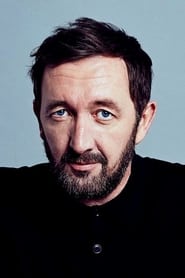
Ralph Ineson
Professor Krempe

Mia Goth
Elizabeth / Claire Frankenstein

Nikolaj Lie Kaas
Chief Officer Larsen

Felix Kammerer
William Frankenstein
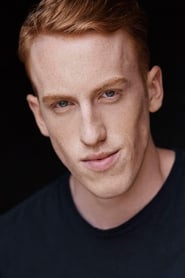
Kyle Gatehouse
Young Hunter

David Bradley
Blind Man

Joachim Fjelstrup
Dr. Udsen

Lauren Collins
Hunter's Wife
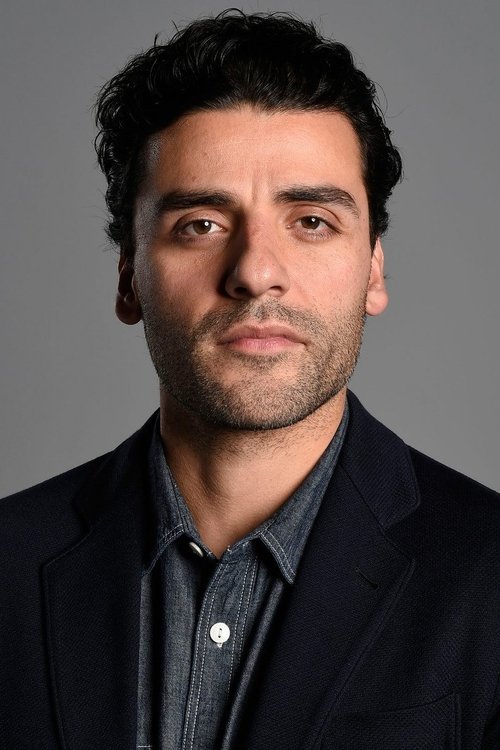
Oscar Isaac
Victor Frankenstein
Reviews(0)
Sign in to write a review
Sign In